
Hiring a freelance web designer typically involves an initial consultation, a written scope and timeline, a design phase with one or two rounds of revisions, development and testing, then launch and a short support window. The main advantages over an agency are lower cost and direct communication with the person actually doing the work. The main risks are inconsistent quality and reliability, which is why checking portfolio, process, and communication style upfront matters more than price alone.
Table of Contents
I get a version of the same nervous question fairly often from potential clients, usually somewhere in the first conversation: “How do I know this is going to go well?” It’s a completely fair thing to wonder. Hiring a freelancer means trusting someone you’ve likely never met, based on a portfolio and a conversation, to build something your business is going to depend on. I want to walk through what a genuinely well-run freelance web design process actually looks like, what to ask before you commit, and the honest tradeoffs compared to hiring an agency — because a clear picture of what “normal” looks like is the best protection against a project that goes sideways.
What the Freelance Web Design Process Actually Looks Like?
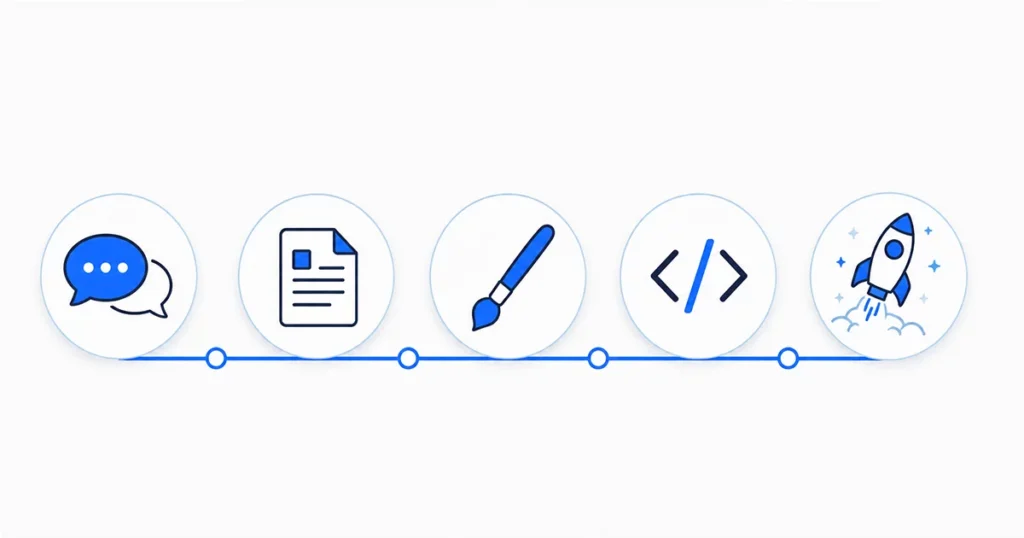
A project that’s being run properly follows a fairly predictable shape, even though the specific tools and timeline vary from one freelancer to another.
It starts with a consultation — a conversation, usually a call, where the freelancer asks about your business, your goals for the website, and what’s not working with your current situation if you have an existing site. A good consultation asks more questions than it answers in that first meeting, because a proposal built without understanding your actual business is really just a guess dressed up as a plan.
From there, a written scope should follow — what’s included, what isn’t, the number of pages or features, the timeline, and the price. This document is worth taking seriously even if it feels like paperwork. It’s what protects both sides if expectations drift later, and a freelancer who skips this step entirely is one of the clearer early warning signs worth paying attention to.
Design comes next, typically as a mockup of the homepage first before moving to inner pages, giving you a chance to react to the direction before the whole site is built around it. One or two rounds of revisions at this stage is standard; unlimited revisions sound generous but often signal a process that isn’t tightly scoped, which tends to drag timelines out for both sides.
Development follows, turning the approved design into a working website — this is where the affordable web design services in India I offer typically also fold in the technical foundation: SEO setup, speed optimization, and mobile responsiveness, since building these in from the start is far more efficient than adding them afterward. Testing across devices and browsers happens before launch, not after, and a reasonable support window — typically two to four weeks — follows launch to handle anything that surfaces once the site is live and being used for real.
Questions to Ask Before Hiring a Freelance Web Designer
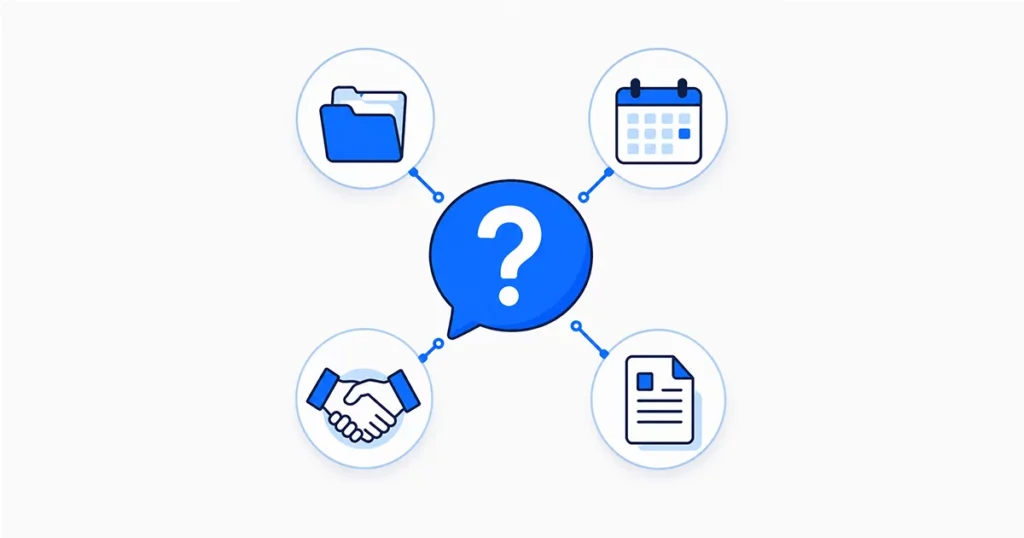
The questions that reveal the most aren’t really about price — they’re about process, and the specificity of the answer matters more than the answer itself.
Asking to see three recent projects, ideally with the client’s permission to reference them, tells you far more than a polished portfolio page alone, since portfolios sometimes showcase older or cherry-picked work rather than what a freelancer is currently capable of delivering.
Asking directly what happens if you’re unhappy with the first design direction is worth doing before you’re in that situation, not during it — a clear, calm answer here says a lot about how the rest of the project will feel if something doesn’t go exactly as planned.
Asking whether SEO fundamentals — proper heading structure, page speed, mobile responsiveness — are included by default, or treated as a paid add-on, matters because a website that looks good but isn’t built on a solid on-page SEO checklist foundation is starting at a real disadvantage before it even launches. Asking what ongoing support looks like after launch, and for how long, sets a clear expectation before you need it — vague answers here tend to become frustrating gaps later, right when you actually need a quick fix and aren’t sure whether it’s covered.
Freelancer vs Agency for Web Design — The Honest Tradeoffs

This decision comes up constantly, and the honest answer depends more on your specific situation than on one option being universally better.
Working with a freelancer directly usually means a meaningfully lower price, since there’s no office overhead, no account manager layer, and no agency markup added on top of the actual work. It also typically means faster, more direct communication — you’re talking to the person actually building your site, not relaying information through an intermediary who then relays it to a developer you never speak with.
The tradeoff is that a single freelancer has a single set of skills and a limited number of hours in a day, which can mean a longer timeline on larger or more complex projects compared to an agency that can parallelize work across a team. Reliability also varies more freelancer to freelancer than agency to agency, simply because a freelancer’s entire capacity depends on one person staying available, healthy, and consistently good — which is exactly why checking process and portfolio matters more when hiring independently than it does when hiring a larger, more redundant team. For most small businesses with a straightforward website need — a handful of pages, standard functionality, a realistic budget — an experienced freelancer offers a genuinely strong combination of quality and cost. For a large, complex build with tight deadlines and multiple moving pieces, an agency’s ability to run parallel workstreams becomes worth its higher price.
Red Flags to Watch For When Hiring a Freelancer
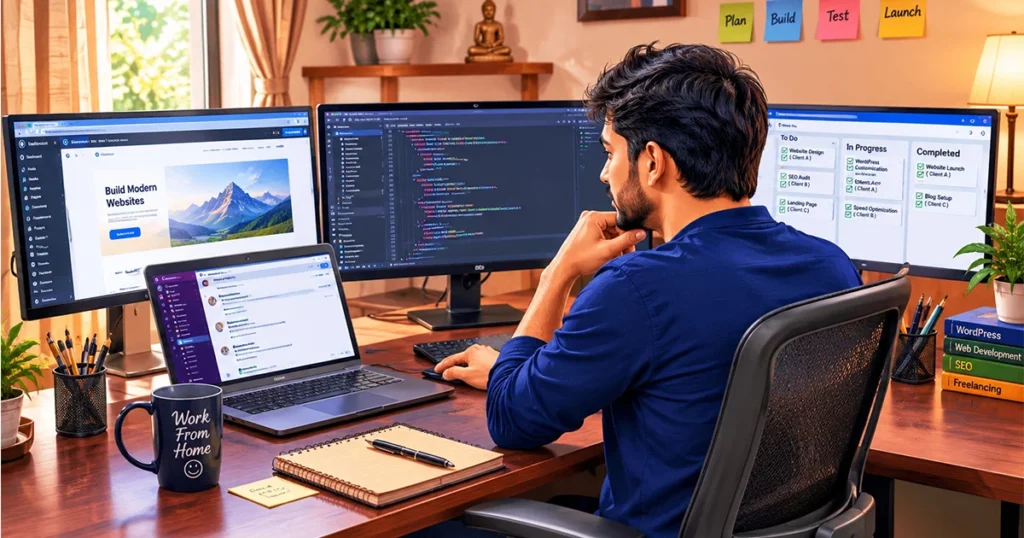
A handful of warning signs consistently show up before a freelance project goes badly, and they’re worth knowing ahead of time rather than learning the hard way.
Vague answers about timeline or process — anything that sounds like “we’ll figure it out as we go” rather than a structured plan — usually means the project itself will unfold the same way. A quote that’s dramatically lower than every other estimate you’ve received is worth asking about directly rather than simply accepting, since it often means cut corners somewhere: no SEO setup, a locked-down proprietary builder instead of WordPress, or no post-launch support at all. No willingness to provide any references or examples of recent, verifiable work is a reasonable reason to keep looking, regardless of how confident the pitch sounds. And pressure to decide immediately, without time to actually think it over or compare options, isn’t how a freelancer confident in their own work typically operates.
None of these individually is disqualifying on its own, but more than one showing up together is worth taking seriously before signing anything.
Final Thoughts — The Right Fit Matters More Than the Lowest Price
The freelancers who consistently deliver good outcomes aren’t necessarily the cheapest or the ones with the flashiest portfolio. They’re the ones with a clear, repeatable process, honest answers to direct questions, and a track record you can actually verify rather than just take on faith.
If you’re evaluating whether to hire someone right now, the questions in this guide are worth asking any freelancer you’re considering, including me. I’d rather a potential client ask them directly than assume, because a project built on a clear, shared understanding from the start consistently turns out better than one where expectations were left vague and got sorted out the hard way later. If your website needs a redesign or you’re starting completely from scratch, having this framework in hand before your first conversation puts you in a much stronger position either way.
Frequently Asked Questions — Hiring a Freelance Web Designer
How much should I expect to pay a freelance web designer in India?
Pricing varies with scope, but a straightforward small business website built by an experienced freelancer in India commonly falls somewhere between ten and thirty thousand rupees, depending on the number of pages, custom features, and whether ecommerce functionality is involved. Significantly lower quotes are worth questioning directly rather than assuming they represent simple good value.
How long does a typical freelance web design project take?
For a standard five to seven page business website, two to four weeks from an approved scope to launch is a realistic range, assuming you provide requested content — text, images, logo files — in a reasonably timely manner. Delays in receiving content from the client side are consistently the most common reason projects run longer than initially planned, more so than delays on the developer’s end.
Should I pay a freelancer the full amount upfront?
This varies by freelancer, but a common and reasonable structure involves a deposit before work begins, generally somewhere between thirty and fifty percent, with the remainder due at or shortly after launch. Paying the full amount entirely upfront, with no milestone structure at all, removes a natural checkpoint that protects both sides if something doesn’t go as expected partway through.
What happens if I’m not happy with the freelancer’s work partway through the project?
A clearly scoped project should include a defined number of revision rounds at the design stage specifically to handle this, which is part of why a written scope matters as much as it does. If concerns come up outside those defined revision points, raising them directly and promptly, rather than waiting until the end of the project, consistently produces a better outcome than accumulating frustrations silently.
Can a freelancer handle ongoing website maintenance after launch, or is that separate?
Many freelancers, myself included, offer maintenance either bundled into the original project for a defined initial period or as a separate ongoing arrangement afterward. It’s worth clarifying this distinction before the project starts rather than assuming — some freelancers only handle the build itself and expect the client to manage updates independently once launched, which is a completely reasonable arrangement as long as it’s clear to both sides from the beginning.